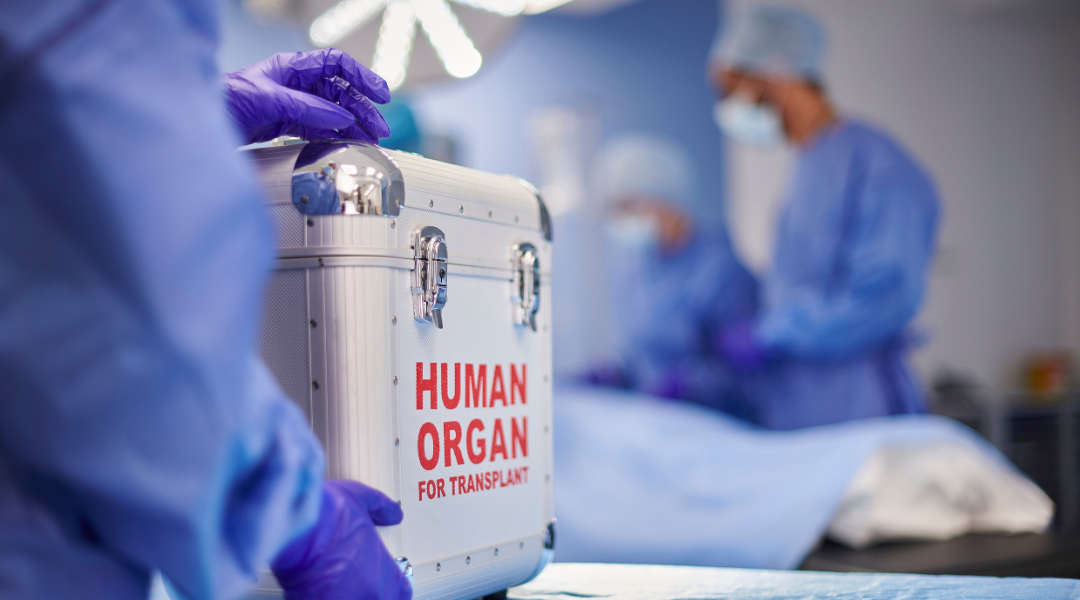
Organ transplantation is a highly sensitive field of healthcare that deals with processes involving vital organs and often requires detailed information. This topic is a multifaceted issue that needs to be addressed not only within the framework of a medical practice but also from ethical, social, and organizational perspectives. Individuals and families seeking information about organ transplantation generally want to understand how the process works, what stages it involves, and what kind of planning is required.
Research into organ transplantation is often fraught with uncertainty. The complex nature of the process, differing application frameworks in various countries, and misinformation increase the need for individuals to access reliable sources. In this context, trustworthy, unbiased, and non-biased content is of paramount importance. The organ transplantation process is more robust when approached not only from a results-oriented perspective but also from an information-gathering, evaluation, and process management standpoint.
At Drline, we approach organ transplantation from a consulting and organizational perspective within the scope of health tourism, without claiming to provide diagnosis or treatment. Our aim is to offer individuals seeking information in this field a trustworthy and unbiased guide that will facilitate their understanding of the process. This article has been prepared without using sales language and aims to create general awareness about organ transplantation.
What is organ transplantation?
While the question “What is organ transplantation?” is often answered with technical definitions, providing a general framework makes the process more understandable. Organ transplantation can be defined as a planned process involving a non-functioning organ, requiring multi-stage evaluation. This process is considered not only from a medical perspective but also from ethical, legal, and organizational standpoints.
To put it simply without going into medical details, organ transplantation is a healthcare process that requires detailed evaluation and coordination, planned under specific conditions. It is important for individuals to be informed and to shape their expectations realistically during this process. Organ transplantation is not a single-stage process; it is a structure that progresses over time and requires careful planning.
The question of why organ transplantation is important also arises at this point. Because it concerns vital organs, this area is highly sensitive for both individuals and families. Understanding the process reduces uncertainties and contributes to a more informed approach.
At Drline, we view organ transplantation as a “process” rather than a “procedure.” In this process, a counseling approach plays a crucial role, supporting individuals in obtaining information, making assessments, and planning the process.
Why is organ transplantation researched?
The search for information about organ transplantation can stem from various reasons. These reasons are often shaped by individual circumstances and the nature of the process.
Processes Related to Vital Organs
Topics related to vital organs naturally lead individuals to seek more information. Organ transplantation is one of the most researched areas in this context.
Lack of Information and Uncertainty
Lack of sufficient information about the organ transplant process can create feelings of uncertainty for individuals and families. This, in turn, necessitates further research.
Research within the Scope of Health Tourism
Individuals examining healthcare systems in different countries may wish to consider the organ transplant process as part of medical tourism. This increases the need for organization and planning.
A Conscious Health Approach
Today, many people prefer to understand the process regarding vital issues in advance and make informed decisions. Organ transplantation is one of the important aspects of this informed approach.
For whom might organ transplantation become an option?
Organ transplantation is not a matter limited to a specific age group or profile. It can arise for different reasons for individuals with different life circumstances.
Individuals
Organ transplantation is a matter that directly concerns individuals. Obtaining information helps in understanding the process more clearly.
Families and Relatives
This process involves not only the individual but also their families and close circles. Therefore, the need to learn about organ transplantation often takes on a collective dimension.
Those living abroad
For individuals living abroad and researching medical tourism, organ transplantation can be a topic requiring detailed planning.
How is the organ transplant process handled?
The organ transplantation process is not a single-stage process. It is approached through a multifaceted method that includes information gathering, evaluation, and planning phases.
Preliminary Information
The first step in the process is to access general and unbiased information about organ transplantation. This stage plays a fundamental role in understanding the process.
Personal Status Assessment
Every individual’s circumstances are different. Therefore, the organ transplant process should be evaluated on a personal basis, in light of general information.
Process Planning
Following information gathering and evaluation, process planning follows. At this point, the consulting role contributes to a more orderly and understandable progress of the process. We at Drline value providing guidance at this stage.
The Importance of Obtaining Information Before Organ Transplantation
Obtaining information before an organ transplant is crucial to prevent misconceptions and unnecessary anxiety. Incomplete or inaccurate information can make the process seem more complex than it is. An informed approach provides a more balanced and realistic perspective.
Accurate information helps individuals and families approach the process more calmly and consciously. This, in turn, supports a healthier decision-making process.
Organ Transplantation and Health Tourism
Organ transplantation and medical tourism are among the topics researched, particularly at the international level. Examining systems in different countries increases the need for consultancy and organization.
Türkiye’s Position in Health Tourism
Türkiye is among the preferred countries for consulting and organization services within the scope of health tourism. This situation is also increasing the demand for information on organ transplantation.
Clients from Abroad
For clients coming from abroad, the organ transplant process requires communication, information, and coordination. Counseling contributes to a more understandable progress of this process.
The Role of Process Planning
In the context of health tourism, when the organ transplantation process is handled in a planned and organized manner, uncertainties are reduced and a sense of trust is fostered.
Why is Organ Transplantation Counseling Important?
Organ transplant counseling offers guidance in an area rife with misinformation. Counseling helps individuals understand the process, make assessments, and plan accordingly. It does not provide a medical service; instead, it provides a structure that organizes the process and creates an informed roadmap.
At Drline, we approach organ transplant counseling within a framework of information, evaluation, and process management. Our goal is to help clients understand the process more clearly and feel secure. Correct guidance prevents false expectations and places the process on a healthier foundation.
Organ transplantation is a critical area of healthcare that requires a highly sensitive and knowledge-based approach. Questions such as what organ transplantation is, why it is researched, and how the process is handled form the basis of an informed approach.
This content examines the organ transplantation process from the perspective of counseling, evaluation, and guidance. The aim is not to present a sales-oriented narrative, but to create an unbiased and trustworthy source of information. Individuals seeking general information about organ transplantation can request guidance on the process as part of the counseling services.
Legal Disclaimer:
This content is for informational purposes only. It does not substitute for medical diagnosis or treatment recommendations. Services offered within the scope of health tourism are within the framework of consultancy, evaluation, and process management.