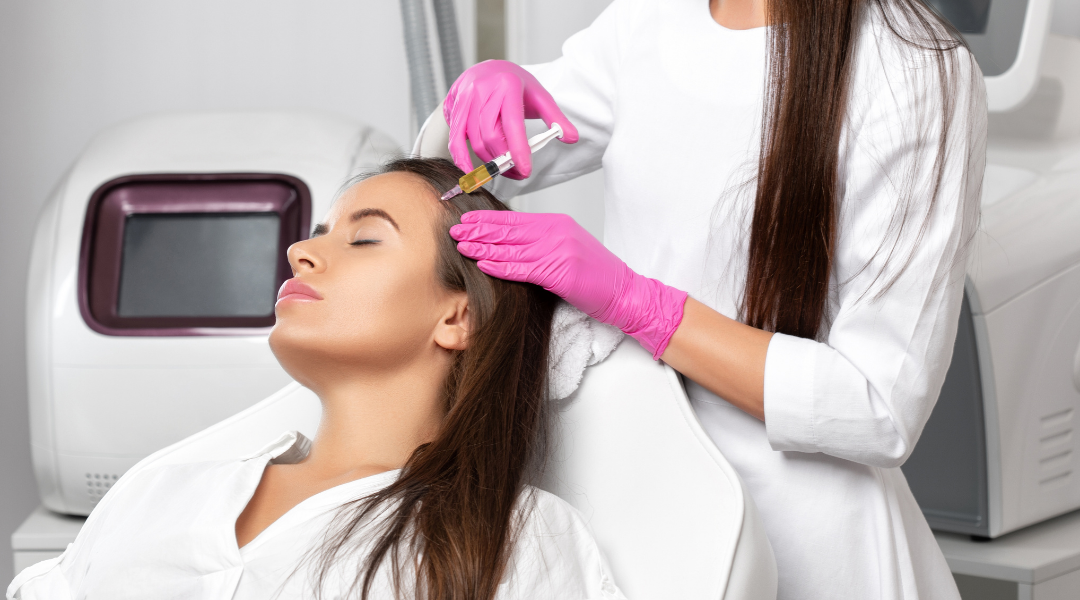
PRP (Platelet-Rich Plasma) treatments have become one of the most researched topics in recent years, both in the fields of aesthetics and complementary health. People often encounter this concept when researching topics such as hair loss, skin appearance, signs of aging, or tissue regeneration. However, what PRP treatments are, the purposes for which they are evaluated, and how the processes are planned are often not clearly understood.
At Drline, we approach PRP treatments not as a procedure or a solely focused outcome, but rather within the framework of assessing individual needs, providing accurate information, and managing the process systematically . This is because PRP is not a treatment that can be evaluated in the same way for everyone. It is a matter that must be considered in light of individual expectations, overall circumstances, and goals.
This content details topics such as what PRP applications are, the areas where they are used, who researches them, and how the process is planned. Our aim is to provide the reader with a trustworthy, informed, and unbiased guide; to share the essential information needed before making a decision about PRP applications in a clear and understandable way.
What are PRP treatments?
PRP is an abbreviation for “Platelet Rich Plasma,” and in Turkish it is called “thrombocyte-rich plasma.” PRP applications can be defined as a process based on the utilization of specific components obtained from the patient’s own blood. This process is emerging as a supportive approach in various fields.
People seeking information about PRP treatments often wonder how this method works, in which areas it is used, and who it might be suitable for. However, it’s important to note that PRP shouldn’t be seen as a miracle cure on its own. PRP is a treatment that is evaluated for specific purposes and only becomes meaningful when the process is planned correctly.
In our approach, PRP treatments are a process requiring individual assessment . Therefore, the question “What is PRP?” should not be limited to a purely technical definition; it should also encompass an understanding of how the process is handled and the stages involved.
In which fields are PRP applications becoming relevant?
PRP applications can be considered in various fields to meet different needs. However, the evaluation process differs for each field.
Assessments Regarding Hair Loss
PRP treatments are frequently researched by individuals experiencing hair loss and seeking information on the subject. Those noticing a decrease in hair density, in particular, are interested in learning about the supportive role of PRP treatments.
Skin Appearance and Signs of Aging
Skin texture can change over time due to environmental factors and the aging process. PRP treatments are gaining interest in this field as they are among the supportive approaches related to skin appearance.
General Tissue Assessments
Some people research PRP treatments in the context of tissue regeneration and general support processes. At this point, clarifying expectations and correctly understanding the process is important.
The evaluation of PRP applications varies for each area. Therefore, instead of a single, uniform approach, it is necessary to focus on individual needs.
Who is researching PRP treatments?
PRP treatments can be explored by people of different age groups and with different expectations.
Individuals Experiencing Hair Loss
Hair loss is a common condition for both women and men. Therefore, PRP treatments are frequently examined by individuals seeking information about hair loss.
People interested in skincare
Individuals looking to maintain or improve their skin’s appearance may consider PRP treatments as an alternative approach.
Those seeking information about supporting applications.
Some people research PRP treatments to learn more about them within the context of general health and care processes.
The important thing here is to recognize that each individual has different expectations and needs.
How are PRP treatments evaluated?
The evaluation of PRP treatments is not limited to the treatment itself. How the process is planned and communicated to the individual is of great importance.
Personal Needs Analysis
The first step involves assessing why the individual is researching PRP treatments and what they expect. This analysis forms the basis of the process.
Information Phase
It is essential to clearly explain what PRP treatments are, what they cover, and what they do not cover. Incorrect or incomplete information can lead to misguided expectations.
Process Planning
Following the assessment, a general plan is drawn up outlining how the process can proceed. This planning is tailored to each individual.
At Drline, we conduct each of these stages with the principles of transparency and accurate information .
Things to Know Before PRP Treatments
It is important for individuals to be informed about some basic issues before undergoing PRP treatments. During this process, informed assessments should take precedence over hasty decisions.
It is important to remember that PRP treatments are not evaluated the same way for everyone, and individual differences directly affect the process. Therefore, preliminary information is one of the most important parts of the process.
How is the post-treatment process for PRP applications handled?
The post-PRP treatment process involves a gradual evaluation period. Patience and attention to general information are important during this process.
Having realistic expectations ensures a healthy evaluation of the process. PRP applications should be approached as process-oriented rather than focusing on instantaneous changes.
PRP Applications and Health Tourism
PRP (Platelet-Rich Plasma) treatments are among the topics attracting interest within the scope of health tourism. Since Türkiye is one of the preferred countries for health tourism, research is also being conducted in this field.
Reasons for Choosing Türkiye
Accessibility, experience, and organizational capabilities make Türkiye stand out in the field of health tourism.
Planning in the Health Tourism Process
For clients coming from abroad, proper planning, information, and coordination of the process are of great importance.
Drline’s Consulting Role
At Drline, we offer comprehensive process management and consulting services to domestic and international clients seeking information about PRP applications . Our goal is to ensure clarity and trust at every stage of the process.
Why is PRP Treatment Consulting Important?
PRP treatment consultations reduce the risk of misinformation and help individuals evaluate the process correctly. The vast amount of conflicting information available online can lead to confusion.
Through the right advice:
- Personal needs are clarified.
- Realistic expectations are formed about the process.
- The planning phase is progressing smoothly.
We aim to provide a transparent approach from start to finish by guiding clients through the process.
PRP treatments are a subject that requires an informed approach. Accurate information and planning should be prioritized over hasty decisions. Since each individual’s expectations and needs are different, PRP treatments require a personalized assessment.
At Drline, we offer a trustworthy, unbiased, and transparent consultation approach to clients seeking information about PRP treatments. Obtaining information is always the healthiest step towards understanding the process correctly and making informed decisions.
You can contact us to learn more about PRP treatments and to discuss the process in detail.
Legal Disclaimer:
This content is for informational purposes only. It does not substitute for medical diagnosis or treatment recommendations. Consultancy services offered within the scope of health tourism are for evaluation and informational purposes only.