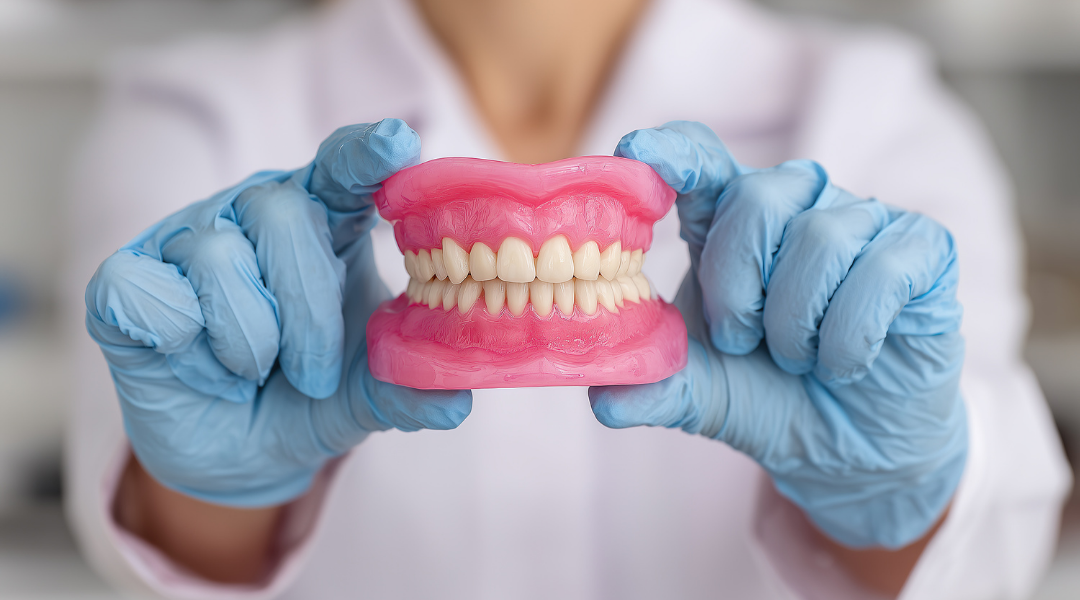
Prosthetics , as a topic covered under oral and dental health, stands out as a concept directly related to individuals’ quality of life and functional needs. The fact that basic daily habits such as speaking, eating, and social interaction are linked to oral structure explains why the topic of prosthetics is so frequently researched. This research process often begins with questions such as “what does it mean?”, “in what situations does it come into play?”, and “how is the process handled?”.
The search for information about prosthetics isn’t limited to existing knowledge gaps. For some individuals, this topic comes to the forefront with increased awareness of general oral and dental health. However, combining information from various sources can sometimes lead to confusion. At this point, accessing unbiased, clear, and non-biased content becomes even more important.
At Drline, we approach the topic of prosthetics not as a purely medical intervention or outcome-oriented subject, but within the framework of health tourism, focusing on information, evaluation, and process planning. Our goal is to help individuals seeking information about prosthetics to understand the process more clearly and develop an informed perspective.
What is a prosthesis?
Although the question “What is a prosthesis?” is often addressed through a single definition, it has a broader meaning when considered within a broader framework. A prosthesis is a concept dealing with deficiencies or changes that occur in the oral structure over time, and this concept encompasses not only a physical condition but also the planning and evaluation process.
To put it simply without going into medical details, prosthetics is a topic related to addressing the current state of the oral and dental structure. Research in this area often aims to understand individuals’ expectations and evaluate the process more consciously. This is where the question of why prosthetics are important comes into play. Since the integrity of the oral structure is directly linked to daily life habits, having knowledge in this area is crucial.
At Drline, we view prosthetics not as an end result, but as a process that requires proper information and guidance.
Why is prosthetic surgery researched?
There are various motivations behind research into prosthetics. These motivations are shaped by individuals’ lifestyles, expectations, and need for information.
Daily Functions
The relationship between daily functions such as eating and speaking and the structure of the mouth can be influential in research on prosthetics.
Knowledge-Based Approach
Lack of sufficient information about prosthetics may lead individuals to conduct further research. This is a natural consequence of the desire to make informed decisions.
Aesthetic Perception
For some individuals, the topic of prosthetics may be associated not only with functional but also with aesthetic expectations.
Health Tourism Perspective
Individuals examining healthcare services in different countries may wish to consider prosthetic headgear as part of medical tourism.
For whom might a prosthetic implant be an option?
Prosthetic surgery is not specific to any particular age group or profile. It may become necessary for different individuals at different times.
Adults
Adults may wish to inquire about dentures during general oral and dental health assessments.
Older Age Group
Changes in oral structure are monitored more closely in older age. This can lead to research into the topic of dental prosthetics.
Individuals Seeking Information
Individuals who are not yet in the decision-making phase but simply want to understand the process can also research prosthetics.
How is the Prosthetic Process Handled?
The prosthetic process is not a matter to be considered in isolation. It requires a holistic approach consisting of information gathering, evaluation, and planning stages.
Preliminary Information
The first step in the process is to acquire knowledge to understand the general framework of the prosthetic concept.
Assessment of Personal Circumstances
Every individual has a different oral structure and different expectations. Therefore, general information should be evaluated in light of individual circumstances.
Process Planning
Following the information and evaluation phase, process planning comes into play. At this point, the consulting role becomes crucial. At Drline, we prioritize providing guidance throughout the process.
The Importance of Obtaining Information Before Prosthetic Prosthesis
Accessing accurate information about prosthetics helps prevent misinformation and unrealistic expectations. Incomplete or inaccurate information found online can make the process seem more complicated than it is.
An informed approach allows individuals to handle the process more calmly and controllably. This, in turn, provides a healthier perspective during the evaluation phase.
Prosthetics and Health Tourism
Prosthetics is a frequently discussed topic within the scope of health tourism. For individuals seeking information from abroad, the process encompasses not only the content but also the organizational and planning aspects.
Türkiye’s Position in Health Tourism
Türkiye is among the preferred countries in the field of health tourism, and this has increased interest in oral and dental health topics.
Clients from Abroad
For clients coming from abroad, the prosthetic process requires accurate information and coordination.
The Importance of Process Management
Processes handled in a planned manner help reduce uncertainties and build trust.
Why is Prosthetic Consulting Important?
Prosthetic counseling offers guidance in an area rife with misinformation. Counseling is a vital support mechanism for individuals seeking to understand the process, evaluate options, and plan accordingly.
At Drline, we approach prosthetic counseling within a framework of information, evaluation, and process management. Our goal is to help clients understand the process more clearly and feel more secure.
Conclusion
Prosthetics is a crucial aspect of oral and dental health, requiring a conscious and informed approach to all processes. A knowledge-based approach helps the process progress in a more understandable and controlled manner.
This content addresses the topic of prosthetics from a consulting and guidance perspective, avoiding sales or application jargon. Individuals seeking general information about prosthetics can be informed about the process through consulting services within the scope of health tourism.
Legal Disclaimer:
This content is for informational purposes only. It does not substitute for medical diagnosis or treatment recommendations. Services offered within the scope of health tourism are within the framework of consultancy, evaluation, and process management.