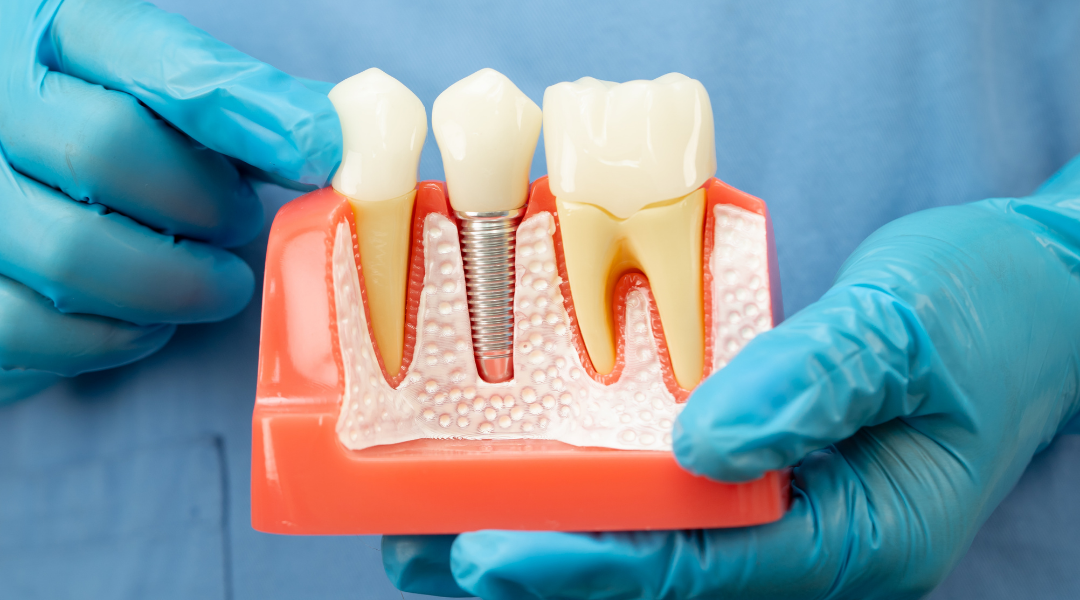
Dental implants are one of the topics addressed in oral and dental health research, driven by the need for long-term planning. Interest in this area often stems from a desire to better understand the impact of changes in dental structure on daily life. The relationship between dietary habits, speech comfort, and overall oral structure and quality of life explains why implant applications are so frequently researched.
Individuals seeking information about dental implant procedures typically want to learn how the process is handled, what stages it involves, and what precautions should be taken. However, the variety of content available online can sometimes lead to a perception of the subject as more complex than it actually is. At this point, it is important to access clear and unbiased information that is not intended to mislead.
At Drline, we approach implant procedures not as a medical procedure or a promise of results, but from a perspective of consultancy, evaluation, and process management within the scope of health tourism. Our aim is to guide individuals seeking information on this topic so that they can evaluate the process within a clearer framework.
What are Implant Procedures?
The question “What are dental implant procedures?” often evokes a single stage, but it should be considered as a broader process. This process involves addressing the current state of the oral cavity, assessing individual needs, and planning a suitable roadmap.
Without going into medical details, implant procedures represent a general approach to addressing deficiencies or changes in dental structure. This approach encompasses not only a technical matter but also an information and evaluation process. Therefore, implant procedures are often a subject that requires research and consideration before a decision is made.
We at Drline view this topic as an information process designed to help individuals better understand their own situations.
Why are dental implant procedures researched?
The search for information regarding dental implant procedures can arise for various reasons. These reasons are shaped by personal expectations and living conditions.
Functional Needs
The relationship between oral structure and daily functions can be influential in researching implant applications. Individuals may want to obtain information to better understand this relationship.
Long-Term Planning
For some individuals, implant procedures are a matter of future consideration, leading to early investigation of the process.
Information Pollution
Conflicting information from various sources can lead individuals to seek out more reliable and straightforward content.
Evaluation within the Scope of Health Tourism
Individuals living abroad or exploring healthcare services in different countries may consider dental implant procedures as part of medical tourism.
Who might consider dental implants?
Dental implant procedures are not limited to a specific age group. They may become necessary at different times for different individuals.
Adults
Adults may wish to inquire about dental implant procedures during general oral and dental health assessments.
Older Age Group
Changes in oral structure are monitored more closely in older age. This can increase the need for information regarding implant procedures.
Those Who Conduct Informed Research
Individuals who are not involved in any decision-making process but are simply looking for information may also be interested in this topic.
How is the Implant Procedure Process Handled?
The implant procedure is not a single step. It requires a holistic approach encompassing information gathering, evaluation, and planning phases.
Preliminary Information
At the beginning of the process, information is acquired to understand the general framework of implant procedures.
Assessment of Personal Circumstances
Every individual has a different oral structure and different needs. Therefore, general information should be considered in light of individual circumstances.
Process Planning
After the information and evaluation phase, process planning comes into play. At this point, consulting and guidance become crucial. At Drline, we take on an explanatory, rather than a directive, role in this phase of the process.
The Importance of Obtaining Information Before Implant Procedures
Accessing accurate and balanced information about implant procedures helps prevent false expectations. Incomplete or exaggerated content found online can lead individuals to perceive the process differently than it actually is.
An informed approach helps individuals better assess their own situations and handle the process more consciously.
Implant Procedures and Health Tourism
Implant procedures are a frequently researched topic within the scope of health tourism. In this context, the process is considered not only in terms of information content but also in terms of organization and planning.
Türkiye’s Place in Health Tourism
Türkiye is among the preferred countries in the field of health tourism, and this has increased the demand for information regarding implant procedures.
Clients from Abroad
For clients coming from abroad, the implant procedure process requires accurate information and coordination.
The Role of Planning
A planned approach to the process helps reduce uncertainties and allows for a clearer assessment.
Why is Implant Procedure Consulting Important?
Dental implant consultation offers guidance in an area rife with misinformation. Consultancy helps individuals understand the process, evaluate differing pieces of information, and develop a perspective tailored to their specific circumstances.
At Drline, we approach implant consultation within a framework of information, evaluation, and process management. Our goal is to provide a transparent and understandable information process where clients feel more secure.
Dental implant procedures require a conscious approach to oral and dental health processes. Accessing accurate information in this area contributes to a clearer and more controlled evaluation of the process.
This content addresses implant procedures from a consulting and guidance perspective, without using sales, application, or results-oriented language. Individuals seeking general information can be informed about the process through consulting services within the scope of health tourism.
Legal Disclaimer:
This content is for informational purposes only. It does not substitute for medical diagnosis or treatment recommendations. Services offered within the scope of health tourism are within the framework of consultancy, evaluation, and process management.