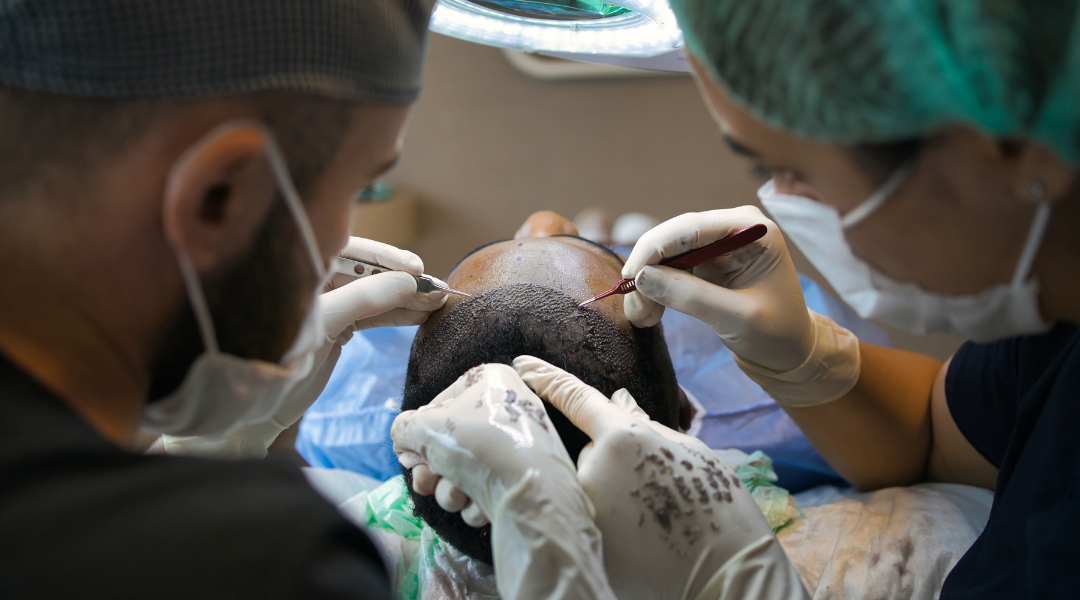
Hair transplantation is an important topic that many people experiencing hair loss research to learn more about it, understand the process, and make the right assessment. At Drline, we don’t view hair transplantation as a standalone procedure; we consider it a holistic process encompassing pre-operative planning and post-operative care. Therefore, we believe that what our clients need first is not sales pitches, but accurate and reliable information .
Hair loss can occur for different reasons and in different ways in each individual. Sometimes genetic factors play a role, while other times lifestyle, stress, or environmental factors can accelerate the process. These differences necessitate a personalized assessment of decisions regarding hair transplantation. In our approach, it is a priority for our clients to clearly understand their own situation and to set realistic expectations.
The question of why hair transplantation is preferred often brings with it a need for information along with aesthetic concerns. However, we argue that this process should be approached not with hasty decisions, but with proper information and planning. Therefore, we provide our clients with clear, understandable, and guiding information about the hair transplantation process.
This content addresses the most frequently asked questions about hair transplantation from an unbiased perspective; explaining how the process is evaluated, what stages it consists of, and why obtaining information is important. Our aim is to provide a reliable guide for those researching hair transplantation.
What is hair transplantation?
“What is hair transplantation?” is one of the most frequently asked questions we receive. For us, hair transplantation is not just a results-oriented procedure, but a process that begins with an assessment of the client’s current situation. This process considers the type of hair loss, hair structure, and expectations of the individual.
Many of our clients interested in hair transplantation want to know how the process works and whether it’s right for them. At this point, we prefer to explain the general framework and planning of the process without going into medical details. Because accurate information forms the basis of a sound decision.
In our approach, hair transplantation is a journey that should be evaluated on an individual basis. Every client has different needs and expectations. Therefore, instead of generalizing when providing information about hair transplantation, we emphasize that the process should be handled individually.
Causes of Hair Loss
Hair loss doesn’t occur due to a single cause. When informing our clients, we specifically emphasize that hair loss can have various underlying causes.
Genetic Factors
Genetic predisposition can play a significant role in hair loss. Family history can provide insight into the timing and pattern of hair loss.
Hormonal Factors
Hormonal changes can affect the hair cycle. This can lead to increased hair loss.
Life style
Dietary habits, stress levels, and sleep patterns can directly affect hair health. Daily living conditions can be a determining factor in the course of hair loss.
Environmental Factors
Environmental factors and external influences also have indirect effects on hair health. Therefore, hair loss should not be evaluated from a single perspective.
Who is a suitable candidate for hair transplantation?
It is not possible to give a single, definitive answer to the question of who is suitable for hair transplantation. We treat this question as a matter that needs to be evaluated individually for each client.
Hair Loss in Men
Hair loss in men is often concentrated in specific areas. This can lead to hair transplantation being considered at an earlier age.
Hair Loss in Women
Hair loss in women may be more common and show a more homogeneous pattern. Therefore, the evaluation process includes different criteria.
Age Factor
Age alone is not the determining factor. We consider age in conjunction with the overall course of hair loss.
The Importance of the Consulting Process
The consultation process is crucial at this stage. We provide our clients with detailed information to ensure they understand the process correctly and make informed decisions.
What are the different hair transplant methods?
Hair transplant methods are one of the topics our clients are most curious about. Rather than comparing methods, we prefer to explain in which situations each method can be considered.
FUE Method
The FUE method is one of the frequently encountered methods in hair transplant research. General information about the process is covered within the scope of the consultation.
DHI Method
The DHI method is another option with different technical specifications. It is evaluated according to individual needs.
How to Choose a Method?
For us, the important question is not “which method is better,” but rather evaluating which approach might be most suitable for the client .
How is the hair transplant process planned?
When planning a hair transplant procedure, the client’s current condition is first assessed. Then, information about the procedure is provided, and a general plan is created. At this stage, we take care to explain each step of the process clearly and understandably.
Things to Consider Before Hair Transplantation
The pre-hair transplant period includes preparation and information sessions. During this stage, it’s important for clients to be mentally prepared for the process.
Hair Transplantation Post-Process
The post-hair transplant recovery period is a time that requires patience. During this period, we provide information about the natural progression of the process and emphasize the importance of keeping expectations realistic.
Hair Transplantation and Health Tourism in Türkiye
Türkiye is one of the frequently preferred countries for hair transplantation within the scope of health tourism. As part of our health tourism consultancy, we provide guidance in the planning, information, and coordination phases of the process.
Why is Hair Transplant Consultation Important?
Incorrect or incomplete information is one of the biggest risks in the hair transplant process. As part of our hair transplant consultations, we aim to ensure our clients have access to accurate information, understand the process, and make informed decisions.
Hair transplantation is a process that requires a knowledge-based and planned approach. At Drline, we prioritize ensuring our clients understand this process correctly and evaluate it with confidence. Those who wish to obtain detailed information about hair transplantation and evaluate the process can contact us within the scope of health tourism consultancy.
Legal Information
This content is for informational purposes only. It does not substitute for medical diagnosis or treatment recommendations. Consultancy services offered within the scope of health tourism are for evaluation and informational purposes only.