
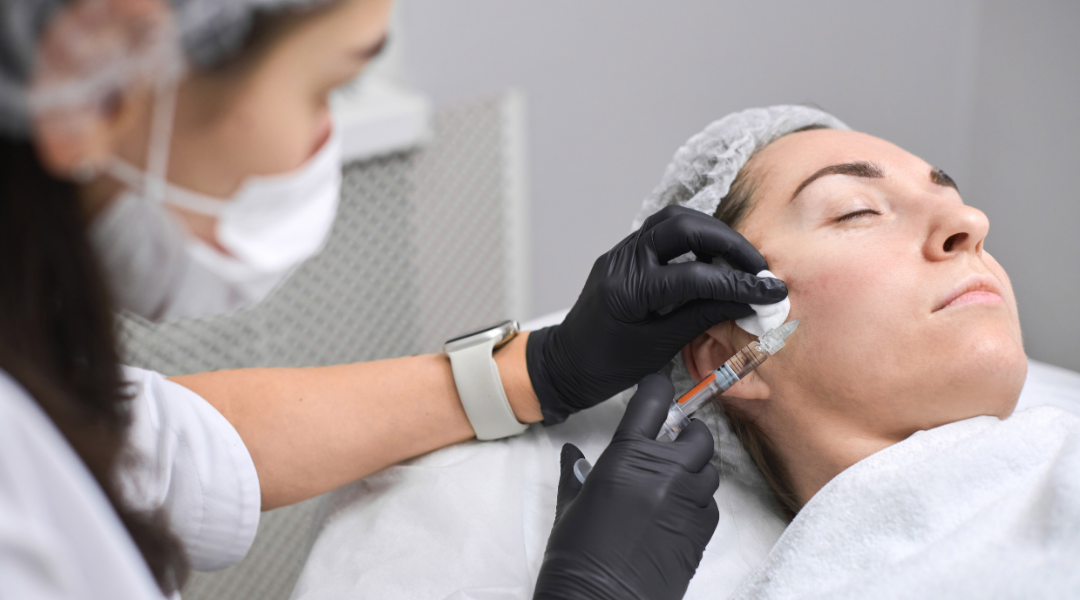
Facial aesthetics is a multifaceted and individually tailored topic that directly affects an individual’s relationship with their appearance. The face is the most prominent area through which a person projects themselves to the world, through gestures, expressions, and emotions. Therefore, the concept of facial aesthetics is not only related to visual changes but also closely to how a person feels about themselves, how they are perceived, and the connection they form with that perception.
Today, facial aesthetics encompasses a field far too broad to be explained by a single procedure or method. Factors such as changing facial features over time, environmental factors, genetic makeup, and lifestyle lead people to seek information about facial aesthetics. However, the most important point here is that facial aesthetics cannot be approached in the same way for everyone.
At Drline, we approach facial aesthetics as an informed, transparent, and planned process . Our goal is to provide a trustworthy, unbiased, and understandable guide for those researching facial aesthetics, clearly conveying the essential information needed in the decision-making process. This content comprehensively addresses topics such as what facial aesthetics are, why they are chosen, what topics they cover, and how the process should be evaluated.
What is Facial Aesthetics?
Facial aesthetics is a broad concept that encompasses the evaluation of changes that occur in the facial area over time and the consideration of different approaches to these changes. This concept represents a holistic perspective that covers the entire face, not just a single procedure.
It’s common to think of facial aesthetics as only involving specific procedures. However, facial aesthetics encompasses much more than that. Factors such as facial proportions, sense of symmetry, balance of expressions, and skin structure play a significant role in evaluating facial aesthetics.
In our approach, facial aesthetics is a holistic process that considers both the individual’s facial structure and their expectations . Therefore, the answer to the question “What is facial aesthetics?” refers to an evaluation process that varies from person to person.
Why is Facial Aesthetics Researched?
Facial aesthetics is a subject researched for various reasons. These reasons are not limited to aesthetic concerns; factors such as the desire to feel better about oneself, the search for self-confidence in social life, and understanding the changes that occur over time also underlie this research.
Changes that Occur Over Time
The aging process can cause various changes in the facial area. Decreased skin elasticity, loss of facial definition, or an increase in expression lines can lead to increased interest in facial aesthetics.
Facial Expression and Perception
Facial expression plays a significant role in how a person communicates with their surroundings. A tired, tense, or otherwise perceived facial expression can lead people to seek information about facial aesthetics.
Personal Expectations
Some people explore facial aesthetics to better understand their current appearance and evaluate future options. At this point, the goal is not so much change as making an informed decision.
Who researches facial aesthetics?
Facial aesthetics are not limited to a specific age or gender group. Many people with different expectations may explore this topic.
Facial Aesthetics for Women
Women generally research facial aesthetics based on assessments of skin type, facial features, and expression lines. However, every woman’s facial structure and expectations are different.
Facial Aesthetics for Men
In men, research into facial aesthetics is generally shaped by expectations of achieving a more natural look while preserving facial expression.
Age Factor
Research into facial aesthetics may begin as a preventative search for information at a young age, while in later years it may become a means of evaluating existing changes.
What Areas Does Facial Aesthetics Cover?
Facial aesthetics are not limited to a single area. A holistic approach is adopted, considering different areas of the face together.
Forehead and Eyebrow Area
The forehead and eyebrow area are regions where facial expressions are heavily used. Changes in these areas can directly affect facial expressions.
Around the Eyes
The area around the eyes is one of the most noticeable parts of the face. Changes in this area can significantly affect the overall perception of the face.
Cheeks and Cheekbones
Cheek structure and the position of the cheekbones play an important role in facial proportions.
Around the Mouth and Lips
The area around the mouth, along with facial expressions, plays a significant role in shaping facial expression. This area is also considered within the scope of facial aesthetics.
Chin and Facial Oval
The jawline and facial oval are among the elements that determine the overall balance of the face.
How are facial aesthetics evaluated?
Facial aesthetic evaluation is a personalized process. Instead of rushing into a decision, detailed analysis and information should be prioritized.
Personal Analysis
The first stage involves evaluating the individual’s facial structure, expectations, and goals regarding facial aesthetics.
Information Process
The available options for facial aesthetics, what these options include, and what they do not include should be clearly communicated.
Planning
Following the assessment, the process is planned according to the individual’s needs. This planning takes into account both a general framework and a personalized approach.
At Drline, we base our facial aesthetic treatments on transparent information and realistic expectation management .
The Importance of Obtaining Information Before Facial Aesthetics Treatment
Before making a decision about facial aesthetics, gathering information is one of the most important steps in the process. The sheer volume of conflicting information available online can be confusing.
Accessing accurate information:
- It prevents the formation of false expectations.
- It allows for a more thorough evaluation of the process.
- It helps the person feel more secure.
Therefore, facial aesthetics should be considered not just a results-oriented process, but also a knowledge-driven one.
Facial Aesthetics and Health Tourism
Facial aesthetics is one of the most researched topics within health tourism. Türkiye, in particular, is among the preferred countries in this field for consultancy and organization.
Reasons for Choosing Türkiye
Ease of access, process organization, and experience enable Türkiye to stand out in the field of health tourism.
Process for Clients Coming from Abroad
For international clients, the facial aesthetics process should be handled in more detail in terms of information, planning, and coordination.
Drline’s Approach
At Drline, we offer comprehensive process management and consulting services to domestic and international clients seeking information about facial aesthetics . We prioritize open and clear communication at every stage of the process.
Why is consultation necessary in facial aesthetics?
Since facial aesthetics are directly related to personal perception and expectations, proper consultation is crucial. Incorrect guidance can increase the risk of dissatisfaction.
Through consultancy:
- Personal needs become clear.
- The process proceeds in a more conscious manner.
- The decision-making process will be healthier.
For us, facial aesthetics consultation is not just about providing information; it’s about guiding the individual.
Realistic Expectations in the Facial Aesthetics Process
Having realistic expectations regarding facial aesthetics is critical for a healthy evaluation of the process. Facial structure, genetic factors, and personal characteristics play a decisive role in shaping these expectations.
Every face is unique, and this uniqueness forms the basis of the facial aesthetics approach. Therefore, facial aesthetics should be addressed not with standard solutions, but with personalized assessments.
Facial aesthetics are not just about appearance; they are a multifaceted process directly related to how a person feels and how they are perceived. Accurate information, transparent communication, and a planned approach are crucial in this process.
At Drline, we offer unbiased and trustworthy consultation to clients seeking information about facial aesthetics. Our goal is to support individuals in making informed decisions and helping them evaluate the process in the most accurate way.
For more information about facial aesthetics and a detailed discussion of the process, please contact us.
Legal Disclaimer:
This content is for informational purposes only. It does not constitute medical diagnosis or treatment advice. Services offered within the scope of health tourism are within the framework of consultancy and process management.